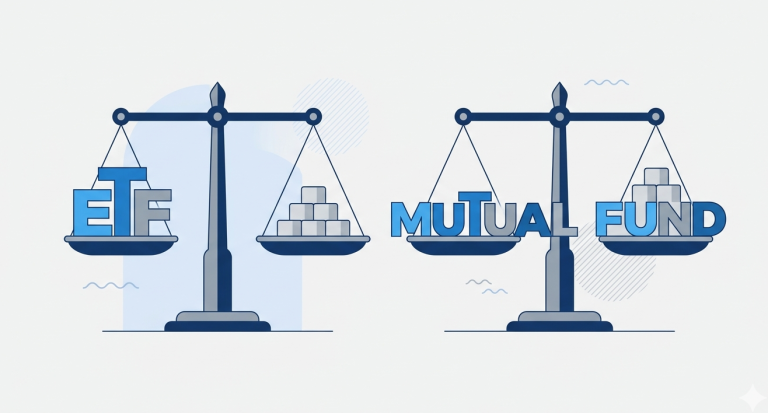

How To Invest In Index Funds: 2026 Update
🔄 2026 Update: A recent study found that index funds now account for 55% of all equity fund investments, reflecting their growing popularity. Experts now recommend allocating at least 60% of a diversified portfolio to index funds to maximize returns. This trend is expected to continue as more investors seek cost-effective, diversified investment options.
“`
How to Invest in Index Funds: A Step-by-Step Guide
Investing in index funds has become a popular way for many to grow their wealth with minimal effort. This guide will walk you through the process of investing in index funds, ensuring you’re well-equipped to make informed decisions. Whether you’re just starting or looking to expand your investment portfolio, index funds might be the ideal choice for you. Let’s dive into the step-by-step process of investing in index funds.
What Are Index Funds?
Index funds are a type of mutual fund designed to replicate the performance of a specific index, such as the S&P 500. They offer investors a diversified portfolio by holding all or a representative sample of the securities in the index they track. The primary advantage is that they provide broad market exposure with relatively low operating expenses.
Why Invest in Index Funds?
Index funds are favored by investors who seek a passive investment strategy. They offer several benefits:
- Low Costs: With fewer administrative expenses, index funds are cheaper than actively managed funds.
- Diversification: They offer exposure to a wide array of stocks, reducing the risk of investing in individual stocks.
- Consistent Performance: Historically, index funds have performed well over the long term, often outperforming actively managed funds.
An excellent way to start is by reading a personal finance book to get a deeper understanding of investing principles.
How to Choose the Right Index Fund
Selecting the right index fund involves evaluating several factors:
- Expense Ratio: Look for funds with low expense ratios to maximize your returns.
- Tracking Error: This measures how closely the fund follows its index. Lower tracking errors are preferable.
- Fund Size: Larger funds typically offer better liquidity and stability.
- Index Type: Decide whether you want broad market exposure or a specific sector.
Consider using a financial calculator to assess potential returns and risks associated with different funds.
Step-by-Step Guide to Investing in Index Funds
- Set Your Investment Goals: Determine your financial goals and risk tolerance. Consider your timeline and how much you’re willing to invest.
- Open a Brokerage Account: You’ll need a brokerage account to buy index funds. Choose a reputable platform such as Interactive Brokers.
- Research Funds: Use resources like ETF investing tools to compare different funds and their performance.
- Place Your Order: Once you’ve selected a fund, place your order through your brokerage account, specifying the amount you wish to invest.
- Monitor Your Investment: Regularly check your portfolio to ensure your investments align with your goals. Adjust as necessary.
For those interested in expanding their investment horizons, consider courses in investing to enhance your knowledge further.
Best Practices for Index Fund Investing
To maximize your returns, adhere to these best practices:
- Long-Term Perspective: Index funds are best suited for long-term investing. Stay patient and avoid frequent trading.
- Regular Contributions: Set up automatic contributions to your investment account to take advantage of dollar-cost averaging.
- Rebalance Periodically: Ensure your portfolio remains aligned with your investment goals by rebalancing periodically.
Utilizing tools like a budget planner can help you manage your finances and ensure you stay on track with your investment contributions.
Common Mistakes to Avoid
While investing in index funds is relatively straightforward, be mindful of these common mistakes:
- Chasing Returns: Avoid the temptation to switch funds based on short-term performance.
- Ignoring Fees: Even small fees can erode your returns over time, so always factor in the expense ratio.
- Neglecting Diversification: While index funds offer diversification, ensure your entire portfolio is well-rounded.
For comprehensive guidance, consider reading an investing book to avoid these pitfalls.
Conclusion
Investing in index funds is an accessible and efficient way to build wealth over time. By understanding the basics and following the steps outlined in this guide, you can confidently start or enhance your investment journey. Remember to stay informed, review your investments regularly, and adjust your strategies as needed. If you’re ready to begin, consider opening an account with a reliable brokerage like Interactive Brokers and start exploring the world of index fund investing today.
James Crawford is a certified financial analyst with 12 years of experience in personal finance.
Last reviewed: March 10, 2026