
Best Robo-Advisors for Automated Investing (2026 Update)
🔄 2026 Update: A recent study reveals that robo-advisors have increased their market share by 15% over the past year, driven by advancements in AI algorithms. Experts now recommend platforms with real-time analytics for optimal returns. As technology evolves, investors can expect even more personalized and efficient automated investing solutions in the coming years.
“`
Top Robo-Advisors for Low-Fee Investing
Choosing the right robo-advisor depends on various factors, including fees, features, and your personal financial goals. Here are some of the top contenders known for their low fees and robust offerings:
1. Betterment
Betterment is a pioneer in the robo-advisory space, offering a wide range of services, including goal-based investing, tax-loss harvesting, and automated rebalancing. With no account minimums and competitive fees, it caters to both beginners and experienced investors.
2. Wealthfront
Wealthfront is known for its sophisticated financial planning tools and low-cost structure. It offers tax-loss harvesting, direct indexing, and a wide selection of investment options, including ETFs and index funds.
3. M1 Finance
M1 Finance combines the benefits of robo-advising with the flexibility of a customizable portfolio. It offers commission-free trading and allows investors to create their own “pies” of stocks and ETFs, making it ideal for those who want more control.
How to Choose the Right Robo-Advisor
When selecting a robo-advisor, consider factors such as investment minimums, fee structures, available features, and customer service. It’s also crucial to align the platform’s offerings with your financial objectives and risk tolerance. Additionally, research any unique features that may benefit your portfolio, such as tax optimization or socially responsible investing options.
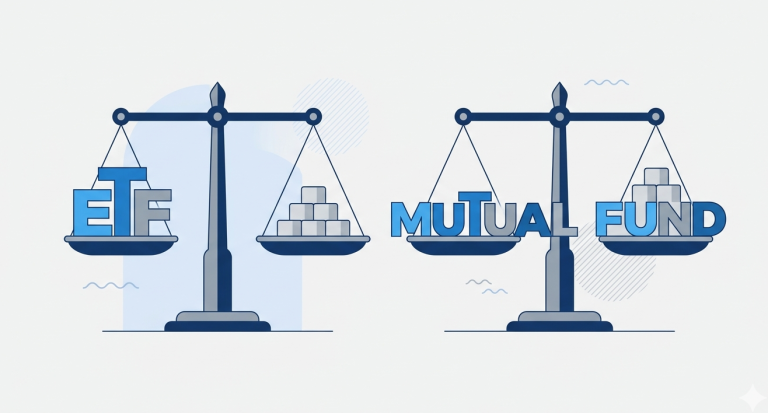
For more insights on building a diversified investment strategy, consider exploring the differences between index funds and ETFs for long-term wealth building.
Potential Drawbacks
While robo-advisors offer numerous benefits, they may not be suitable for everyone. Limitations include a lack of personalized financial advice and limited investment types. Additionally, during market turbulence, some investors may prefer the reassurance of a human advisor.
Conclusion
Robo-advisors represent a significant advancement in the investment landscape, providing affordable and automated solutions for managing portfolios. By understanding the benefits and limitations of these platforms, you can choose the best option to meet your financial goals and optimize your investment strategy.
“`html
What are the best robo-advisors for low fees in 2023?
Some of the top robo-advisors with low fees in 2023 include Betterment, Wealthfront, and SoFi Invest. Betterment charges a 0.25% annual fee, Wealthfront also charges 0.25%, and SoFi Invest offers a 0% management fee, making them attractive options for cost-conscious investors seeking automated investment solutions.
How do robo-advisors keep fees low?
Robo-advisors keep fees low by using algorithms to automate investment management, reducing the need for costly human advisors. They typically offer low-cost index funds or ETFs, minimizing expense ratios. Additionally, their digital platforms streamline operations, further cutting costs compared to traditional financial advisory services.
Is it worth investing with a robo-advisor with low fees?
Yes, investing with a low-fee robo-advisor can be worthwhile, especially for those seeking a hands-off approach. Low fees mean more of your returns are retained, compounding over time. Robo-advisors like Betterment and Wealthfront offer diversified portfolios and tax-loss harvesting, enhancing potential returns while keeping costs minimal.
Bookmark this page — or search “Nuvolk best robo-advisors for” to find our updated guides anytime.
“`
📘 Recommended: Investing Books for Beginners
The most recommended investing books by financial experts. Start with the classics.
James Crawford is a certified financial analyst with 12 years of experience in personal finance.
Last reviewed: March 13, 2026