How To Improve Credit Score in 30 Days
How To Improve Credit Score in 30 Days
1. What You’ll Achieve
By following this step-by-step guide, you will be able to improve your credit score in just 30 days. You will learn how to identify and fix errors on your credit report, pay off outstanding debts, and develop good credit habits that will help you maintain a healthy credit score in the long run. With a better credit score, you will have access to lower interest rates, better loan terms, and more credit opportunities. You will also be able to save money on interest payments and enjoy greater financial freedom.
2. Overview
Improving your credit score in 30 days requires a combination of short-term strategies and long-term habits. You will need to obtain a copy of your credit report, identify and dispute any errors, pay off outstanding debts, and make on-time payments. You will also need to keep your credit utilization ratio low, avoid new credit inquiries, and monitor your credit report regularly. By following these steps and maintaining good credit habits, you can significantly improve your credit score in just 30 days.
3. Step-by-Step Guide
Here are the steps you can follow to improve your credit score in 30 days:
1. Obtain a copy of your credit report: You can request a free copy of your credit report from each of the three major credit reporting agencies (Equifax, Experian, and TransUnion) once a year. Review your report carefully to identify any errors or inaccuracies.
2. Dispute errors on your credit report: If you find any errors on your credit report, dispute them with the credit reporting agency. You can do this online, by phone, or by mail. Provide documentation to support your dispute, and follow up to ensure that the errors are corrected.
3. Pay off outstanding debts: High outstanding debts can negatively affect your credit score. Make a list of your debts, prioritize them, and pay off as much as you can in 30 days. Focus on paying off high-interest debts first, and consider consolidating debts into a single, lower-interest loan.
4. Make on-time payments: Payment history accounts for 35% of your credit score, so making on-time payments is crucial. Set up payment reminders, and make sure you pay all your bills on time. You can also consider setting up automatic payments to ensure that you never miss a payment.
5. Keep your credit utilization ratio low: Your credit utilization ratio is the amount of credit you are using compared to the amount of credit available to you. Keep your credit utilization ratio below 30% to avoid negatively affecting your credit score. You can do this by paying off outstanding debts, keeping credit card balances low, and avoiding new credit inquiries.
6. Avoid new credit inquiries: New credit inquiries can negatively affect your credit score, so avoid applying for new credit in the 30-day period. This includes credit cards, loans, and other forms of credit.
7. Monitor your credit report: Monitor your credit report regularly to ensure that it is accurate and up-to-date. You can check your credit report online, and you should do so at least once a month to catch any errors or inaccuracies.
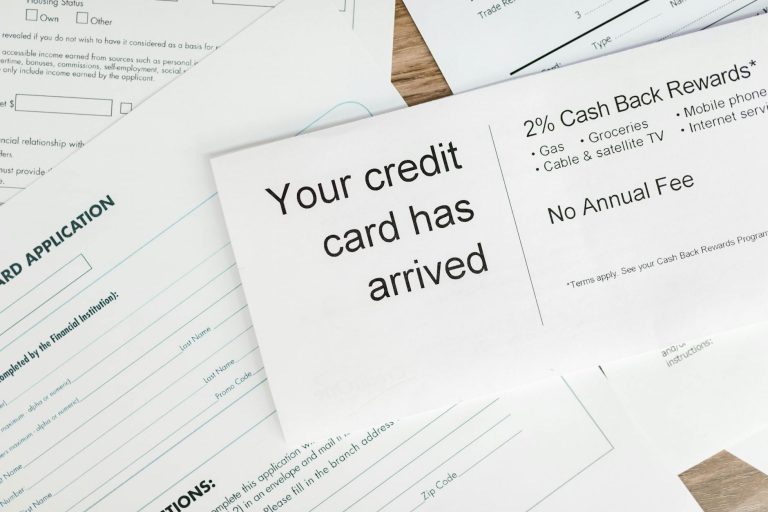
8. Consider a secured credit card: If you have a poor credit history, consider applying for a secured credit card. A secured credit card requires a security deposit, which becomes your credit limit. This can help you establish or rebuild credit, and can be a useful tool for improving your credit score.
9. Avoid negative marks: Avoid negative marks on your credit report, such as late payments, collections, and bankruptcies. These can significantly lower your credit score, and can take years to recover from.
10. Seek professional help: If you are struggling to improve your credit score, consider seeking professional help. A credit counselor or financial advisor can help you develop a plan to improve your credit score, and can provide you with personalized advice and guidance.
4. Pro Tips
Here are some pro tips to help you improve your credit score in 30 days:
- Make multiple payments per month to reduce your credit utilization ratio and improve your payment history.
- Consider a balance transfer to a lower-interest credit card to save money on interest payments.
- Avoid closing old accounts, as this can negatively affect your credit utilization ratio and credit age.
- Use a credit monitoring service to track changes to your credit report and score.
- Consider a credit builder loan to establish or rebuild credit.
5. Common Mistakes
Here are some common mistakes to avoid when trying to improve your credit score in 30 days:
- Applying for too much credit at once, which can lead to multiple inquiries and a lower credit score.
- Closing old accounts, which can negatively affect your credit utilization ratio and credit age.
- Missing payments, which can significantly lower your credit score.
- Not monitoring your credit report, which can lead to errors and inaccuracies going unnoticed.
- Not seeking professional help when needed, which can lead to a longer and more difficult credit improvement process.
6. Frequently Asked Questions
Here are some frequently asked questions about improving your credit score in 30 days:
Q: How long does it take to improve my credit score?
A: You can start to see improvements in your credit score in as little as 30 days, but it may take several months to achieve significant improvements.
Q: What is the best way to improve my credit score?
A: The best way to improve your credit score is to make on-time payments, keep your credit utilization ratio low, and avoid new credit inquiries.
Q: Can I improve my credit score on my own?
A: Yes, you can improve your credit score on your own by following the steps outlined in this guide. However, if you are struggling to improve your credit score, consider seeking professional help.
Q: How often should I check my credit report?
A: You should check your credit report at least once a month to catch any errors or inaccuracies.
Q: Can I improve my credit score if I have a poor credit history?
A: Yes, you can improve your credit score even if you have a poor credit history. It may take longer and require more effort, but it is possible to establish or rebuild credit over time.
7.
Improving your credit score in 30 days requires a combination of short-term strategies and long-term habits. By following the steps outlined in this guide, you can identify and fix errors on your credit report, pay off outstanding debts, and develop good credit habits that will help you maintain a healthy credit score in the long run. Remember to monitor your credit report regularly, avoid negative marks, and seek professional help if needed. With patience, discipline, and the right guidance, you can significantly improve your credit score in just 30 days and enjoy greater financial freedom.