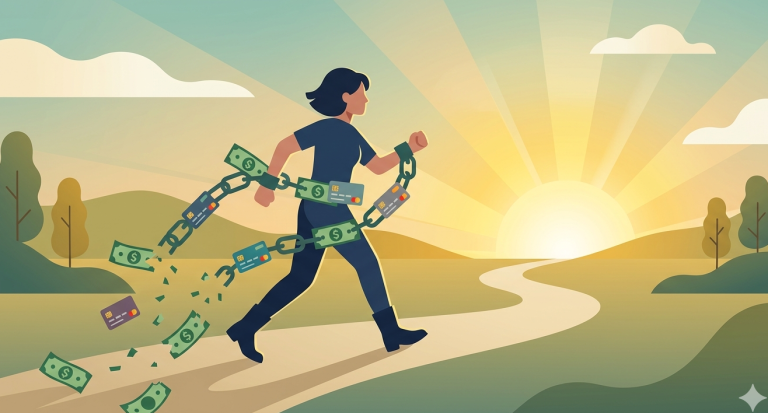

How To Improve Credit Score Quickly
Checking Credit Reports
One of the first steps to improving your credit score is to check your credit reports. You can request a free credit report from each of the three major credit bureaus (Experian, TransUnion, and Equifax) once a year. Review your credit reports carefully to identify any errors, inaccuracies, or negative marks. Dispute any errors you find and work with the credit bureaus to resolve them. You can also use a credit monitoring service to track your credit reports and scores regularly.
Paying Bills On Time
Paying your bills on time is one of the most critical factors in improving your credit score. Late payments can significantly lower your credit score, so it’s essential to set up a payment schedule and stick to it. Consider setting up automatic payments or reminders to ensure you never miss a payment. You can also use a budget planner to help you manage your finances and stay on top of your bills.
Reducing Debt
High levels of debt can negatively impact your credit score, so it’s essential to reduce your debt as quickly as possible. Start by paying off high-interest debts, such as credit card balances, and work your way down to lower-interest debts. Consider consolidating your debt into a single loan with a lower interest rate or using a financial calculator to determine the best debt repayment strategy for your situation. If you’re struggling with debt, you may also want to consider reading a personal finance book or seeking the help of a financial advisor.
For those looking to reduce debt quickly, the snowball method may be an effective approach. This method involves paying off debts with the smallest balances first, while making minimum payments on larger debts. You can learn more about the snowball method and other debt reduction strategies in our article on How To Reduce Debt Fast: Snowball Method.
Avoiding New Credit
Avoiding new credit is another essential strategy for improving your credit score. Applying for multiple credit cards or loans in a short period can negatively impact your credit score, as it may indicate to lenders that you’re taking on too much debt. Only apply for credit when necessary, and make sure to space out your applications if you need to apply for multiple lines of credit. You can also consider using a stock trading platform or crypto exchange to invest your money and grow your wealth instead of relying on credit.
Monitoring Credit Score
Finally, monitoring your credit score regularly is crucial to improving your credit score quickly. You can use a credit monitoring service to track your credit score and receive alerts when there are changes to your credit report. You can also use a investing course or investing book to learn more about investing and growing your wealth.
Conclusion
Improving your credit score quickly requires a combination of strategies, including checking your credit reports, paying your bills on time, reducing debt, avoiding new credit, and monitoring your credit score. By following these tips and using the right tools and resources, you can improve your credit score and achieve a healthy credit profile. Remember to always prioritize your financial health and seek the help of a financial advisor if you need guidance on managing your finances or improving your credit score.
Frequently Asked Questions
How long does it take to improve credit score?
The time it takes to improve your credit score depends on various factors, including your current credit score, credit history, and the strategies you use to improve your credit. With consistent effort and the right strategies, you can start seeing improvements in your credit score within a few months.
What is the best way to monitor credit score?
The best way to monitor your credit score is to use a reputable credit monitoring service, such as Credit Karma, which provides you with regular updates on your credit score and report. You can also use a financial calculator or investing course to track your credit score and receive alerts when there are changes to your credit report.
Can I improve my credit score by paying off debt?
Yes, paying off debt is one of the most effective ways to improve your credit score. By reducing your debt, you can lower your credit utilization ratio, which is a significant factor in determining your credit score. Consider using a budget planner or financial calculator to help you manage your debt and create a plan to pay off your debts.
How can I avoid negative marks on my credit report?
To avoid negative marks on your credit report, make sure to pay your bills on time, keep your credit utilization ratio low, and avoid applying for too much credit at once. You can also use a credit monitoring service to track your credit report and receive alerts when there are any changes or errors.
James Crawford is a certified financial analyst with 12 years of experience in personal finance.
Last reviewed: March 20, 2026